


Drawn to Remember: The Brain on Diagrams

Join a hands-on exploration of the neuroscience of visual notes, uncovering how diagrams, sketches, and spatial layouts strengthen memory and comprehension. We will translate lab findings into everyday practice, share vivid stories, and guide you toward clearer thinking, better recall, and confident communication.

Why the Brain Loves Pictures

Dual Coding in Action

When words and images are processed together, two complementary traces form, increasing retrieval routes when it matters most. A small box labeled with a potent verb communicates action while a simple arrow shows direction, forging a durable memory path. The result is quicker access, fewer misconceptions, and learning that survives stressful, time-pressured moments.

Picture Superiority and Recall

Pictures often beat text because they compress meaning, evoke emotion, and anchor context in a single glance. A sketched cycle, even crudely drawn, signals recurrence better than a sentence can. That clarity helps the hippocampus link experience and idea, improving later recall. When you rehearse with visuals, you reawaken structure, not just isolated details.

Chunking and Cognitive Load

Effective diagrams chunk complexity into graspable units using proximity, alignment, and connected shapes. By revealing relationships at a glance, they reduce extraneous cognitive load and reserve precious working memory for sense-making. With less juggling, you interrogate assumptions, spot gaps, and construct better mental models, making the hardest concepts feel approachable and coherent.

Anatomy of Effective Diagrams

Great diagrams trade decoration for clarity. They embrace Gestalt principles, careful spacing, and deliberate hierarchy so viewers cannot miss the essential message. Every arrow signals causality or flow. Every color encodes a role, not random flair. Labels use verbs, not vague nouns, while negative space breathes, preventing conceptual collisions and fatigue during focused study.

Structure That Mirrors Thought

Mirror how the idea actually unfolds. If the concept branches, draw branches, not a line. If it cycles, sketch a loop, not an unbroken chain. Matching form to logic prevents cognitive dissonance. Your viewer immediately senses the narrative spine, making elaboration natural, questions sharper, and note review refreshingly fast after long, demanding days.

Visual Hierarchy and Attention

Lead the eye intentionally. Use size to announce importance, weight to emphasize transitions, and alignment to group concepts without heavy borders. Headings deserve boldness; examples get softness. Strategic contrast protects comprehension, especially under time pressure. When attention lands predictably, learners avoid detours, reduce rereads, and remember where essential insights live inside the page.

From Lecture to Sketch: A Practical Workflow

Turn messy inputs into crisp outputs by separating capture, modeling, and refinement. First, listen for relationships, not sentences. Then, sort ideas into shapes and flows that reveal mechanics. Finally, condense labels, test paths with your finger, and annotate gaps. This habit transforms passive exposure into active construction that endures beyond tomorrow’s deadline.

Capture Signals, Not Noise

During talks or reading, chase verbs, causes, and constraints rather than transcribing every phrase. Circle tensions, star repeated patterns, and mark analogies you can later visualize. These signals will become arrows, clusters, or loops. By resisting verbatim notes, you protect working memory, staying nimble enough to assemble structure while ideas remain fresh.

Transform Notes Into Visual Models

Convert bullets into shapes representing roles, steps, and decisions. Arrows should mean something consistent, whether flow, influence, or feedback. Test whether each path answers a concrete question. If not, simplify. When your model explains surprising examples, you know understanding has deepened, enabling faster retrieval and easier transfer to new, unfamiliar problems tomorrow.

Refine for Future You

After the session, trim words, sharpen labels, and add tiny icons that trigger memory with minimal ink. Insert white space where concepts collide. Create a small legend so meanings persist weeks later. This respectful handoff to future you turns quick sketches into reliable companions during exams, presentations, and pressure-cooked collaborations requiring swift, shared clarity.

A Student Reclaims a Tough Course

After failing organic chemistry, a student shifted from dense summaries to mechanism maps showing electrons, intermediates, and competing pathways. Weekly, she redrew reactions from memory, checking gaps. By finals, recall felt spatial, not fragile. She passed comfortably, then tutored peers, teaching them to annotate arrows with intentions instead of copying inert textbook sentences.

A Team Aligns in One Meeting

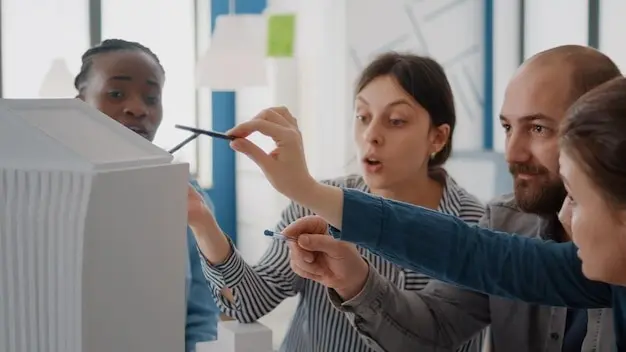
A product group sketched a swimlane diagram exposing ambiguous handoffs between research and engineering. Seeing collisions on paper ended circular debates. They renamed two stages, clarified owners, and added an explicit decision diamond. Cycle time dropped, frustration eased, and newcomers onboarded faster because the page preserved agreements better than scattered chats and forgotten emails.

Multimedia Principles That Actually Help

Favor signaling and spatial contiguity: highlight essential elements and keep related text near graphics. Cut seductive but irrelevant detail. Spoken words plus visuals often outperform on-screen text blocks. These principles, repeatedly replicated, reduce overload, sharpen coherence, and create fertile ground where your diagrams can teach without shouting, persuading gently through effortless navigation and timing.

Retrieval Meets Sketching

Practice recalling diagrams from memory, not just rereading them. Close your notes, redraw the structure, then compare and repair gaps. This strengthens pathways and exposes misconceptions early. Combining retrieval with brief feedback drives consolidation, transforming fragile familiarity into robust ownership, especially when concepts must be used flexibly under constraints, surprises, and imperfect information.

Spacing, Interleaving, and Concept Maps

Space sessions across days, interleave related but distinct ideas, and integrate them using concept maps that emphasize links, not lists. Spacing encourages reconsolidation; interleaving boosts discrimination; mapping weaves context. Together, they fortify understanding that survives distractions and stress, helping you adapt faster when the real world refuses tidy, predictable sequences or polished explanations.

Build the Habit: Tools, Templates, and Prompts

Consistency beats perfection. Choose a simple toolkit, set tiny recurring prompts, and share results to receive constructive nudges. Templates reduce friction while leaving space for improvisation. Celebrate clarity, not artistry. Invite colleagues and friends to co-sketch difficult ideas, then subscribe for monthly challenges, practice decks, and community critiques that accelerate growth without pressure.

Paper, Pens, and Simple Shapes

Start with index cards, a fineliner, and a mild highlighter. Rely on circles, boxes, arrows, and dividers. Limit yourself to three colors serving distinct roles. Low tech means low friction, which means actual practice. Your stack becomes a portable library, letting you rehearse systems anywhere, even during short breaks that usually evaporate unnoticed.

Digital Whiteboards and Shortcuts

If you prefer tablets, create stencils for arrows, swimlanes, and icons to speed iteration. Use layers for alternatives and snapshots for version control. Keyboard shortcuts and shape libraries keep you in flow. Export small, shareable images to invite feedback quickly, turning solitary sketching into collaborative refinement that steadily amplifies precision and shared understanding.

Prompts to Start Drawing Today

Pick one stubborn concept and express it three ways: a loop describing cycles, a ladder expressing stages, and a map showing relationships. Post your favorite with a reflection on what finally clicked. Ask for one suggestion. Return tomorrow, redraw faster, and notice recall improving. Repeat weekly, and invite friends to compare shapes, stories, and insights.
Lentodarizorivirosira
Privacy Overview

This website uses cookies so that we can provide you with the best user experience possible. Cookie information is stored in your browser and performs functions such as recognising you when you return to our website and helping our team to understand which sections of the website you find most interesting and useful.